
For your own story

Write the story
only you can tell

A patient interviewer draws your life story out in your own words, at your own pace – into a book to keep for ever.

From £199 · one-off, no subscription · no deadline, at your own pace

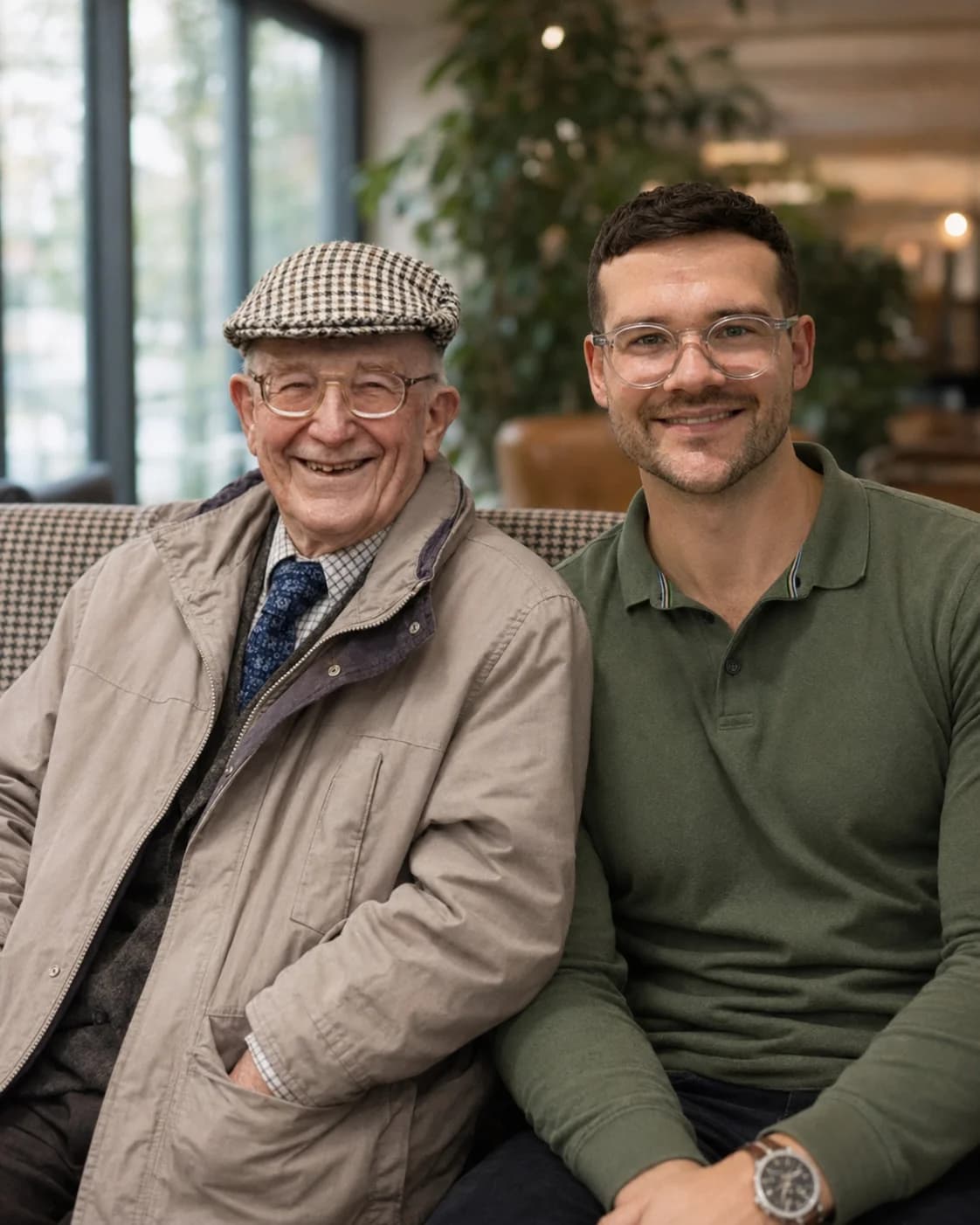
Charlie with his grandad, photographed together – the source image behind why Chronicle exists
My grandad would never have written a memoir – but he'd have opened up if you'd given him the chance. Sadly, the detail behind his stories went with him.

That's why I built Chronicle, so the detail stays. – Charlie, founder · Read the whole story →

Why it never gets done

There is never a right Tuesday morning.

Most life stories never get written. Not because the story isn't there, but because there is never a Tuesday morning that feels like the right one to start.

Chronicle is built for this. There is no blank page to look at. There is no weekly email to ignore. There is a conversation, a chapter at a time, that produces a finished book.

You set the chapters that matter to you. You choose the tone. You move at your own pace. Chronicle holds the structure; you provide the voice.

If there is a reason not to wait

You do not have to start at the beginning.

Some people come to Chronicle because time has stopped being an abstraction – a diagnosis, a prognosis, a year that has turned out differently. If that is where you are, the order is yours. Start with what matters most rather than with 1948. Take the chapters you want and leave the ones you do not. There is no schedule to keep up with and nothing waiting on you.

Everything you say is kept from the first session onwards, in your own words, whether you get to the end or not.

And if you would like a hand setting it up, write to us – someone will help you personally.

Why do it yourself

Three reasons to tell it yourself.

You decide what is in it.

Some things are easier to write than to be asked about. With Chronicle, you control which chapters are included, which moments are emphasised, which truths are told.

You move at your pace.

A chapter a week, a chapter a month, a chapter when you feel like it. The structure stays in place; the pace is yours.

The book is yours.

Your words. Your voice. Your edit. Nothing goes in the finished book that you have not approved.

Every one, unique

A shelf of lives – yours among them.

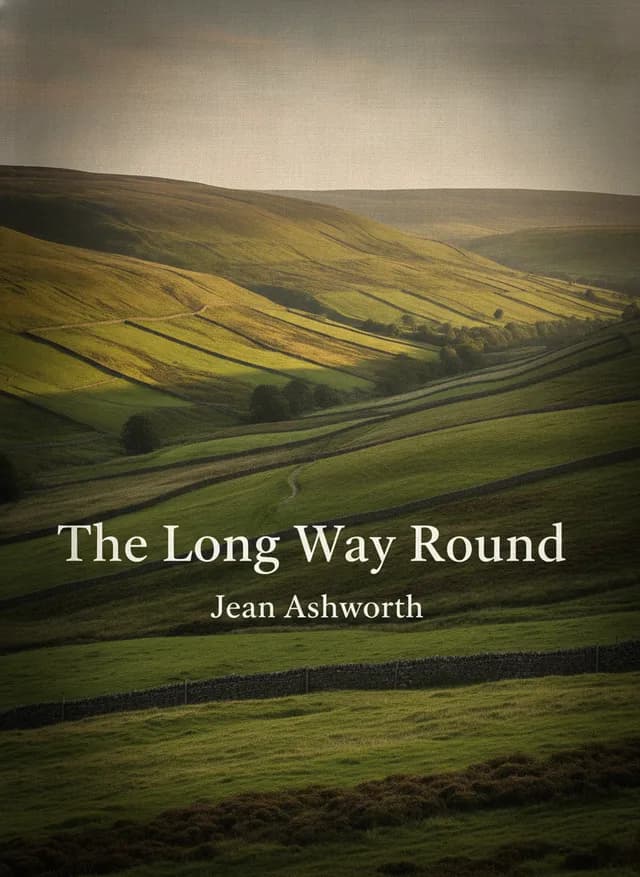
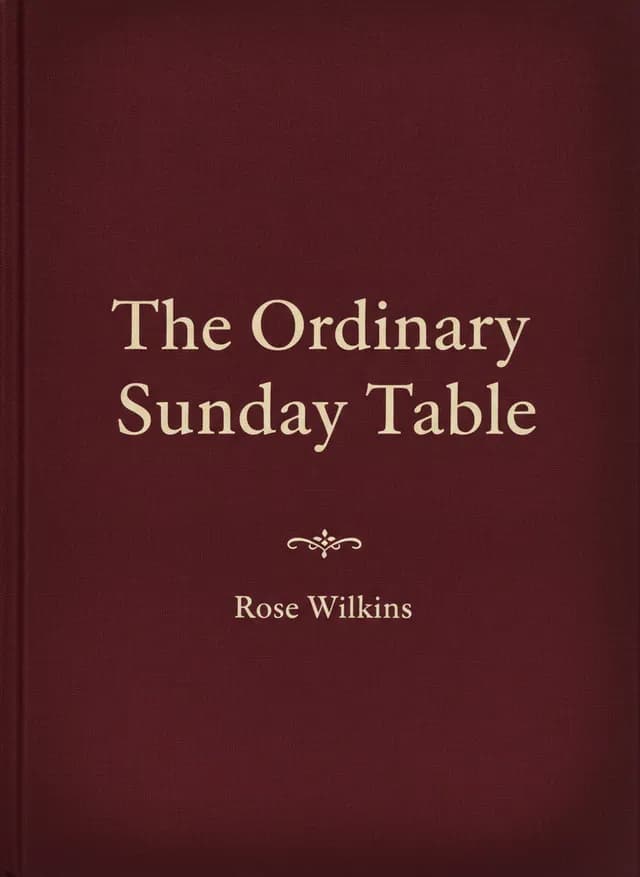
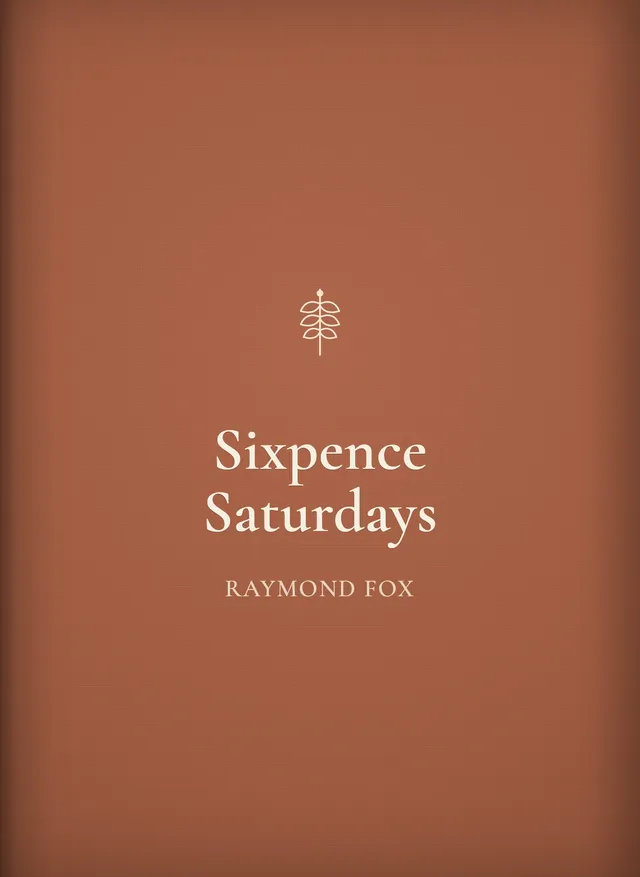
Templates to suit every taste and story – choose the colour, the title, and a photograph if you'd like one. Designed around you, printed and bound in the UK.

Example Chronicle cover – "The Long Way Round" by Jean Ashworth, a full-bleed golden-hour colour photograph of the green Yorkshire Dales with the title in white serif across the middle
Example Chronicle cover – "The Ordinary Sunday Table" by Rose Wilkins, a rich oxblood-burgundy cloth cover with a centred cream serif title and a small ornament
Example Chronicle cover – "Sixpence Saturdays" by Raymond Fox, a warm terracotta cloth cover with a small cream leaf emblem above a cream serif title
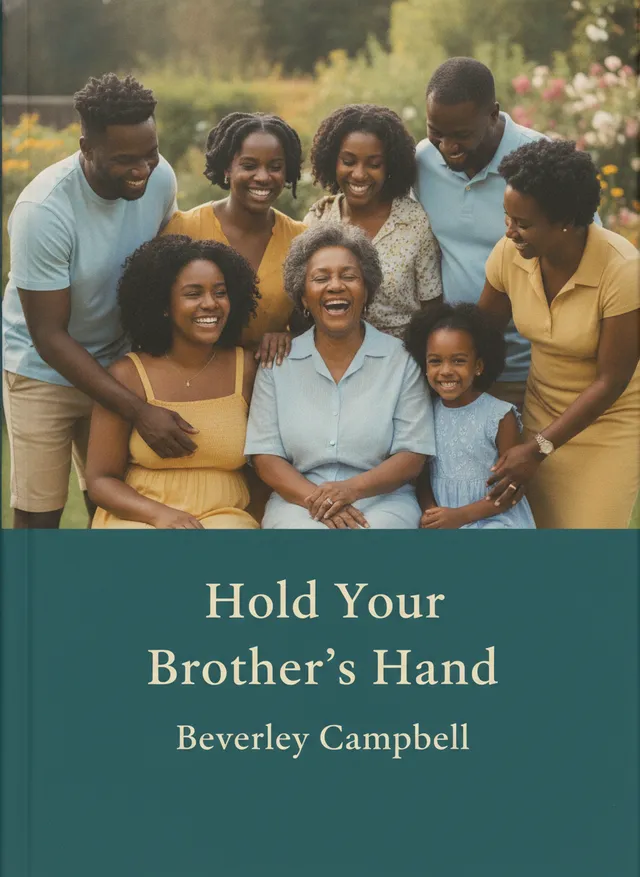
Example Chronicle cover – "Hold Your Brother's Hand" by Beverley Campbell, a candid colour photograph of a laughing Black British family of Caribbean heritage together outdoors in summer, above a deep-teal band carrying the cream serif title
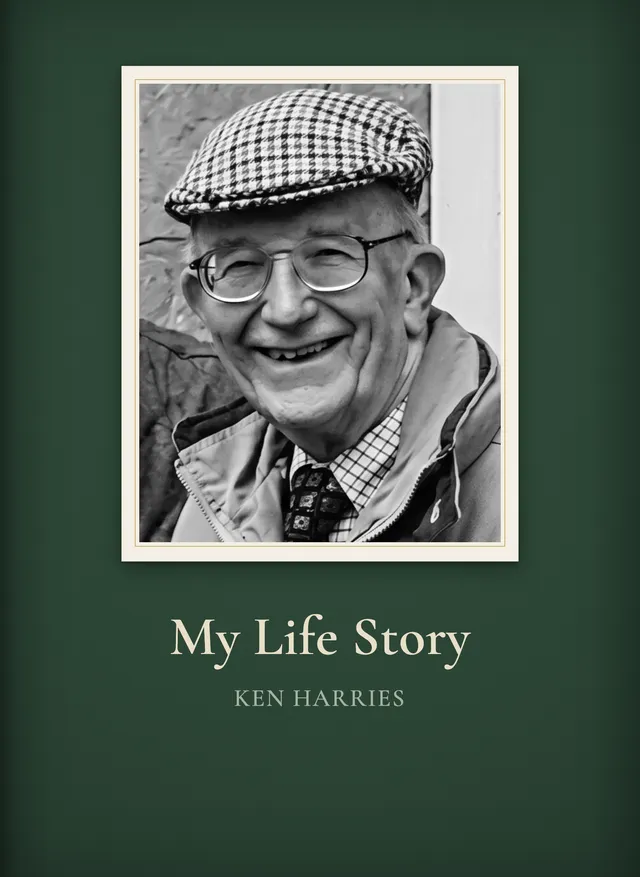
Example Chronicle cover – "My Life Story" by Ken Harries, a forest-green hardback carrying a black-and-white photograph of a smiling older man in a checked flat cap and glasses, the title in cream serif beneath
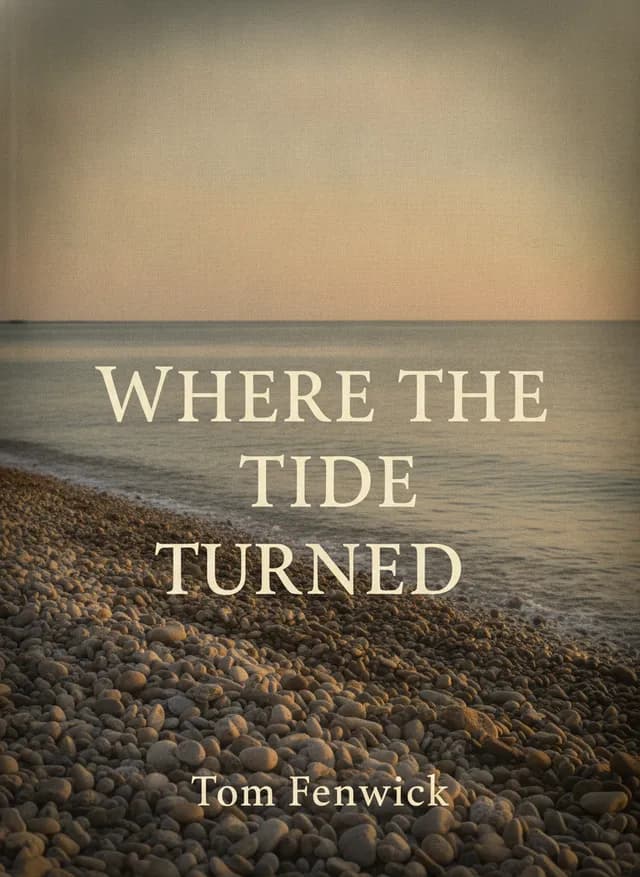
Example Chronicle cover – "Where the Tide Turned" by Tom Fenwick, a full-bleed golden-hour colour photograph of a British pebble beach and calm sea with the title in cream serif
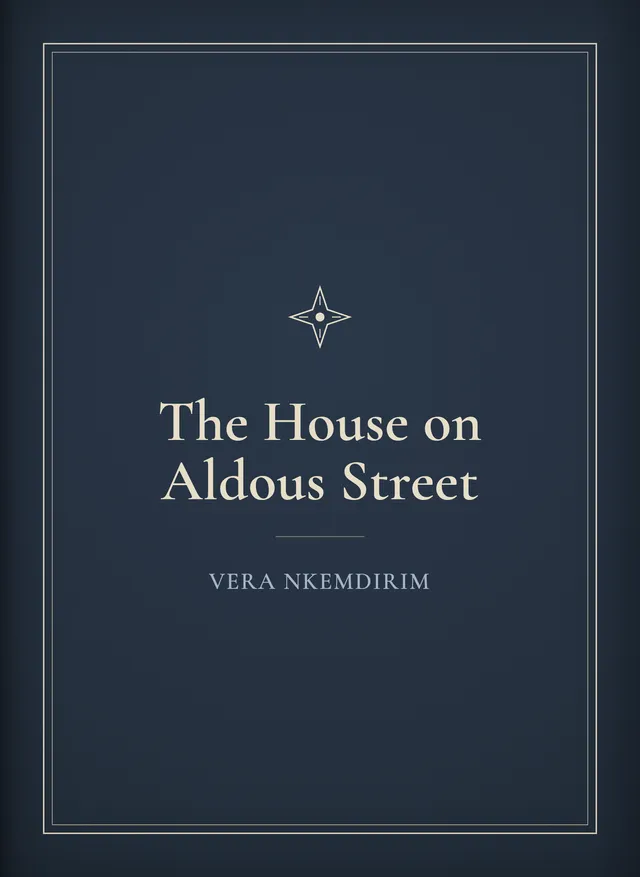
Example Chronicle cover – "The House on Aldous Street" by Vera Nkemdirim, a deep navy cloth cover with a fine cream keyline border, a small compass-star emblem and a cream serif title
Example Chronicle cover – "Salt, and a Bit of Weather" by Derek Wilkins, a warm mustard-ochre cloth cover with a centred deep forest-green serif title
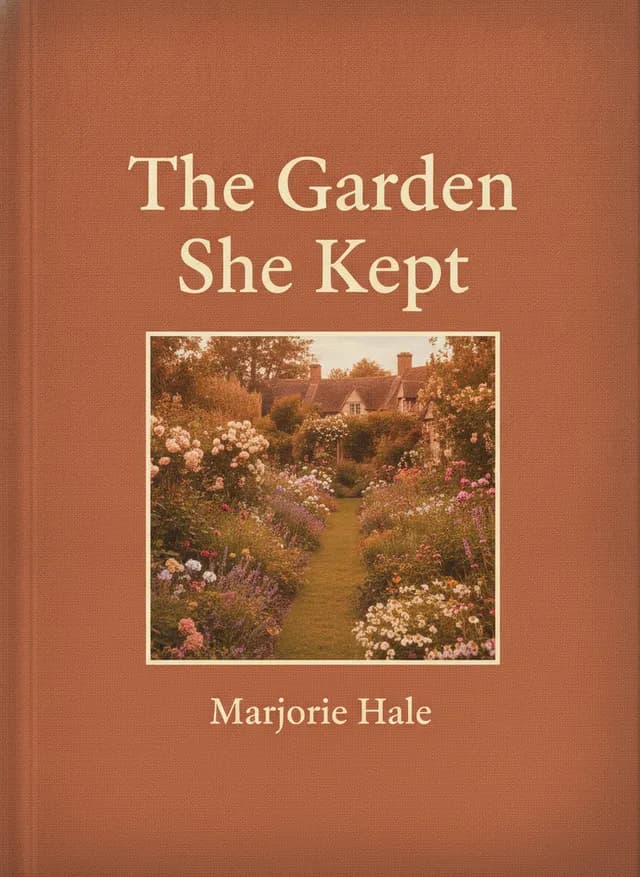
Example Chronicle cover – "The Garden She Kept" by Marjorie Hale, a warm terracotta cloth cover framing a colour photograph of a blooming English cottage garden, the cream serif title above
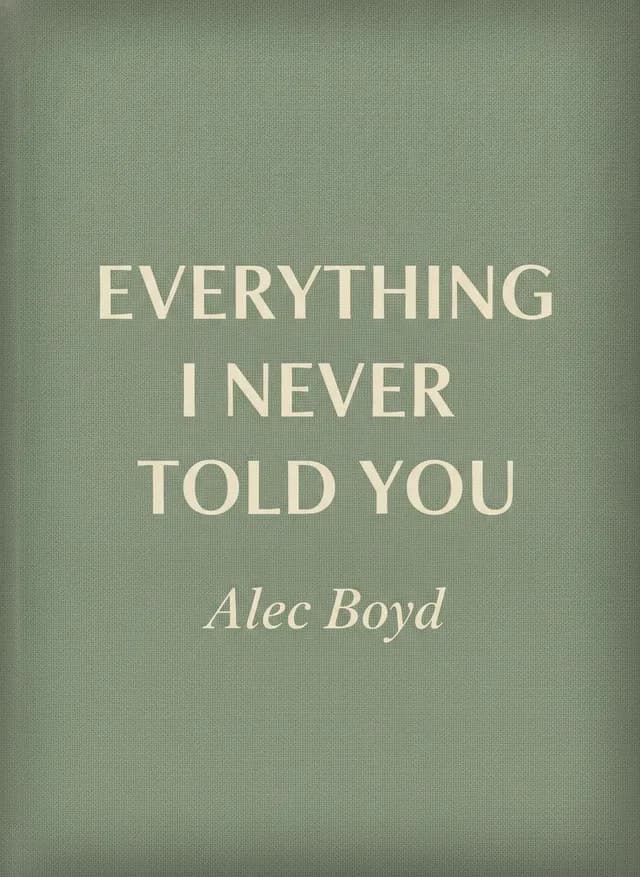
Example Chronicle cover – "Everything I Never Told You" by Alec Boyd, a muted sage-green cloth cover with a bold cream modern-serif title
How it works

Three steps. No homework.

1

You set it up

Your name and the day you'd like to begin – any day that suits you. A few minutes to set up, and no writing to do.

2

You tell it, at your own pace

A patient AI interviewer draws the story out in your own words, following the thread as you talk. There are thirteen chapters in all, and each winds gently to a close once it's told – so it has a shape, and an ending. No weekly emails, no deadline – this isn't homework.

3

We print and post the book

Every page is yours to approve. Then we design it, bind it in the UK, and post the finished book to your door.

See the full process →

Early storytellers

People are loving their stories

Real reactions from the people telling them

I can easily tell stories for two or three hours once I get rolling. It's so easy to talk to, and the follow-up questions are great.
Mike, beta storyteller
It's very good at asking me questions — and the responses it gives me are really good.
Cath, beta storyteller
It's like your own autobiography — but instead of you having to write it, they talk you through it.
CM, beta storyteller
What you get

Pick the tier that fits the book you want.

Memoir is the most chosen tier for self-told life stories – everything in Life Story, held in your hands as a full-colour hardback.

Talk, don't type

You can simply say it out loud.

Voice sessions are available on every tier. You speak the story rather than type it. The result is richer – more natural rhythm, more tangents, more of the texture that makes a story sound like you and not like a form.

You can still type whenever you prefer – the voice option is in addition, not instead. Life Story, Memoir and Heirloom all include it.

From the book

What a chapter sounds like.

Real customer stories are coming. While we wait for our first books to be delivered, here are two sample chapter openings to show what a finished chapter actually reads like.

Sample chapter · 1 of 13

The house I grew up in

The kitchen was the warmest room in the house, and my mother ran it like a small country. The bread bin lived up on the dresser where we couldn't reach it, there was a clock that ticked too loud once the lights went out, and a back door that never quite shut – you soon learned which floorboard gave you away coming in late. I thought everyone lived the way we did. It's only now I understand how little there was, and how hard she worked so that not one of us four ever felt it.

Sample chapter · 13 of 13

What I want you to know

If you remember nothing else in these pages, remember that I was here, that I loved you, and that whatever I got wrong I got wrong while trying. The proudest thing I ever made wasn't the work or the house – it was the ordinary Sunday table, the lot of you talking over one another, and me not saying much, just watching. Keep a table like that going, if you can. The rest is only weather.

See how we compare to other services →
Straight answers

Questions, answered.

How long does it take?

However you like to do it. Some of our storytellers get going and talk for two or three hours at a stretch; others do twenty minutes at a time and come back when it suits them. Both work – the session waits, and nothing is lost. Most complete the full thirteen chapters in six to twelve weeks, but there is no deadline.

Can I share chapters with my family as I go?

Yes. Each chapter draft is yours to share, with whoever you want, at whatever stage. Nothing is published until you say so.

What if I want to come back to it in six months?

Then come back to it in six months. Chronicle holds your progress, every session is exactly as you left it.

What if my voice is hard to transcribe?

We check before you start: Chronicle tests your microphone and plays back what it heard, so you know the transcription is working before you tell a word of your story. Transcription handles accent and age, and you can correct anything that did not come through clearly.

How do I know it is in my voice and not Chronicle's?

Because it is built from what you actually said. Chronicle drafts each chapter from your own answers and never invents or embellishes – then you read it back, change anything that does not sound like you, and approve it. Nothing reaches the printed book without your say-so.

See all questions →

The story you have been meaning to write – done properly.

Pick the tier that fits. Begin whenever you are ready.

Begin your story →